High Blood Pressure: Causes, Symptoms & Treatment
High blood pressure, also known as **hypertension**, is one of the most common health conditions affecting adults worldwide. It occurs when the force of blood against the walls of the arteries remains consistently higher than normal. Over time, uncontrolled high blood pressure can strain the heart and blood vessels, increasing the risk of heart attack, stroke, heart failure, kidney disease, and other serious health problems. The good news is that hypertension can often be managed through healthy lifestyle choices and appropriate medical care.
hat Is High Blood Pressure?
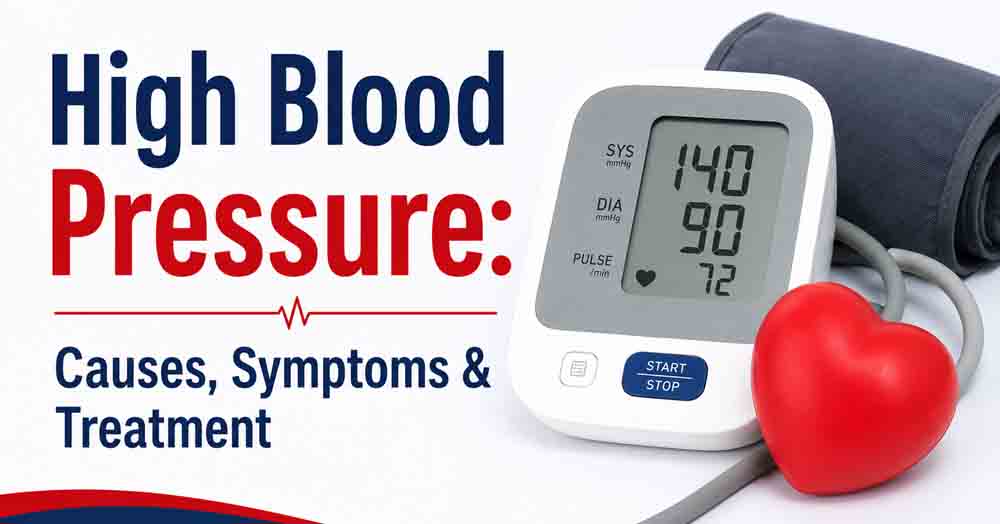
Blood pressure is measured using two numbers:
- Systolic Pressure: The pressure when the heart contracts and pumps blood.
- Diastolic Pressure: The pressure when the heart relaxes between beats.
When blood pressure remains consistently above the recommended range, it may require medical evaluation and treatment.
Common Causes of High Blood Pressure
In many people, there is no single identifiable cause. However, several factors can increase the likelihood of developing hypertension, including:
- Family history of high blood pressure
- Increasing age
- Overweight or obesity
- Physical inactivity
- Excessive salt intake
- Smoking and tobacco use
- Excessive alcohol consumption
- Chronic stress
- Diabetes
- Kidney disease
- High cholesterol
- Poor dietary habits
Adopting healthier lifestyle habits can help reduce the impact of many of these risk factors.
Symptoms of High Blood Pressure
High blood pressure is often called the **"silent condition"** because many people experience no noticeable symptoms, even when blood pressure is significantly elevated.
When symptoms do occur, they may include:
- Frequent headaches
- Dizziness or lightheadedness
- Blurred vision
- Shortness of breath
- Chest discomfort
- Fatigue
- Nosebleeds (in some cases)
- Irregular heartbeat
These symptoms are not specific to hypertension and should always be evaluated by a qualified healthcare professional.
Who Is at Higher Risk?
Certain individuals have a greater chance of developing hypertension, including:
- Adults over 40 years of age
- People with a family history of hypertension
- Individuals who are overweight
- Smokers
- People with diabetes
- Individuals with high cholesterol
- People who consume excessive processed or salty foods
- Those living a sedentary lifestyle
Regular health check-ups are especially important for people with these risk factors.
How Is High Blood Pressure Diagnosed?
The diagnosis of hypertension is made by measuring blood pressure using a validated blood pressure monitor. Since blood pressure can fluctuate throughout the day, your doctor may recommend multiple readings on different occasions or home blood pressure monitoring before confirming the diagnosis.
Additional investigations may include:
- Blood tests
- Urine tests
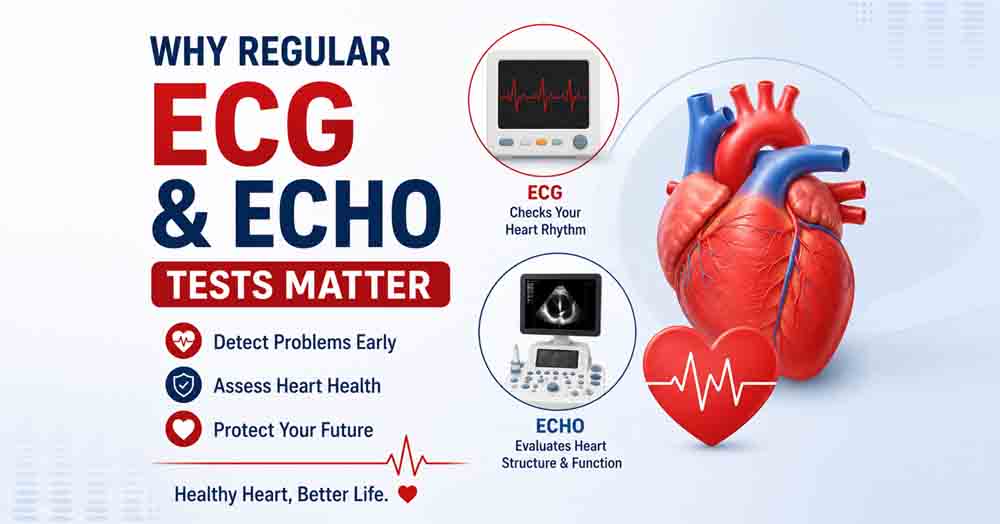
- Electrocardiogram (ECG)
- Echocardiography (if indicated)
- Kidney function tests
- Lipid profile
These tests help evaluate overall cardiovascular health and identify any associated conditions.
Treatment Options
Treatment depends on your blood pressure readings, overall health, and individual risk factors.
Lifestyle Changes
Healthy lifestyle modifications are the first step in managing hypertension and may include:
- Eating a balanced diet rich in fruits, vegetables, and whole grains
- Reducing salt intake
- Exercising regularly
- Maintaining a healthy weight
- Quitting smoking
- Limiting alcohol intake
- Managing stress through relaxation techniques
- Getting adequate sleep
Medications
Some individuals may require prescription medications to help control blood pressure. These medicines should only be taken under the guidance of a qualified healthcare professional. Never stop or change your medication without consulting your doctor.
Tips to Prevent High Blood Pressure
You can lower your risk by following these healthy habits:
- Stay physically active most days of the week.
- Choose heart-healthy meals.
- Drink enough water.
- Avoid tobacco products.
- Maintain a healthy body weight.
- Monitor your blood pressure regularly.
- Keep diabetes and cholesterol under control.
- Attend regular health check-ups.
When Should You See a Cardiologist?
Schedule a medical consultation if:
- Your blood pressure remains consistently elevated.
- You experience chest pain or pressure.
- You develop unexplained shortness of breath.
- You have frequent headaches with high blood pressure readings.
- You have diabetes, kidney disease, or a family history of heart disease.
- You notice dizziness, fainting, or palpitations.
Early diagnosis and timely treatment can help reduce the risk of long-term complications.
High blood pressure is a common but manageable condition. Since it often develops without obvious symptoms, regular blood pressure monitoring is essential. Maintaining a healthy lifestyle, following your doctor's advice, and attending routine health check-ups can help protect your heart and improve your overall well-being. If you have concerns about your blood pressure or cardiovascular health, consult a qualified cardiologist for a personalized evaluation and treatment plan.