Why Regular ECG and Echo Tests Matter
Your heart works continuously to pump blood throughout your body, making it one of the most important organs for overall health. Regular heart check-ups, including Electrocardiogram (ECG) and Echocardiography (Echo) tests, can help identify certain heart-related conditions at an early stage, even before noticeable symptoms develop. Early evaluation allows healthcare professionals to recommend appropriate care and lifestyle changes when needed.
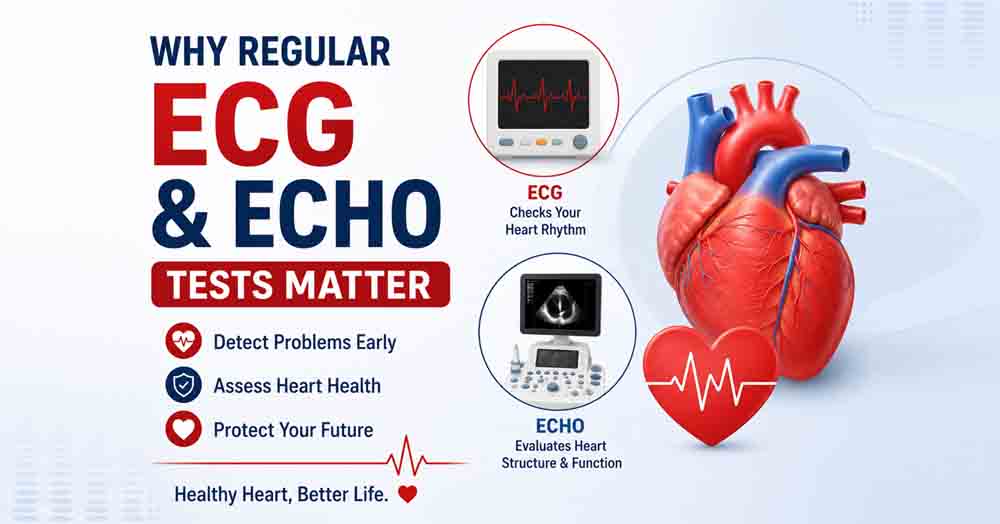
An ECG is a simple, quick, and non-invasive test that records the electrical activity of the heart. It helps doctors evaluate heart rhythm, detect irregular heartbeats (arrhythmias), identify signs of reduced blood flow, and assess changes that may indicate previous or ongoing heart problems. The procedure usually takes only a few minutes and does not involve any pain.
An Echo uses ultrasound waves to create detailed images of the heart's structure and function. This test allows doctors to assess the heart chambers, valves, pumping efficiency, and blood flow. It can help evaluate conditions such as valve disorders, heart muscle abnormalities, congenital heart conditions, and reduced heart function.
Many people believe these tests are only necessary after experiencing chest pain. However, individuals with high blood pressure, diabetes, high cholesterol, obesity, a family history of heart disease, or advancing age may benefit from periodic cardiac evaluation as recommended by their healthcare provider. People experiencing symptoms such as shortness of breath, dizziness, palpitations, unexplained fatigue, or swelling in the legs should also seek medical advice.
Regular ECG and Echo tests do not prevent heart disease on their own, but they provide valuable information that helps doctors make informed decisions about further evaluation or treatment. Combined with healthy lifestyle habits, regular medical check-ups, and management of risk factors, these tests play an important role in maintaining cardiovascular health.
If you have concerns about your heart health or have risk factors for cardiovascular disease, consult a qualified cardiologist. Your doctor can determine whether an ECG, Echo, or other heart investigations are appropriate based on your medical history, symptoms, and overall health. Taking proactive steps today can contribute to better heart health and peace of mind in the future.